
Compressor cycling and startup surge matter more than label watts.
Menu
Turn outage essentials into a printable battery plan with load checklist, runtime target, solar offset, reserve, surge checks, and source-backed model starting points.
Something blocked the calculator from starting. Check your connection or reload the page to try again.
Recommended station size
6,930 Wh+Recommended station size: 6,930 Wh+Includes 85% AC efficiency, 20% reserve, and a 15% planning buffer after solar offset.
Sensitivity scenarios, not a measured confidence interval: the endpoints change planning assumptions or apply the stated planning factors. They are not a guarantee or a probability of achieving this runtime.
Compressor cycling and startup surge matter more than label watts.
Count ONT, modem, router, and mesh nodes separately if needed.
Use the total number of bulbs or lamps you expect to run.
Charging is usually intermittent, not a 24-hour steady load.
Use manufacturer guidance for medical backup decisions. This is a comfort-focused estimate, not medical advice. Use the device manufacturer's battery guidance for critical backup planning.
Power path, cable, heat, and sky view can change real draw.
Use lower hours if you can charge once and work from battery.
Keep it separate from the router so its steady draw is not missed.
Set quantity to the number of mesh nodes that must remain powered.
Brightness, size, refresh rate, and panel type change real draw.
Small fans can become important in warm-weather outages.
These are formula-fit starting points from the local model database, not affiliate rankings.
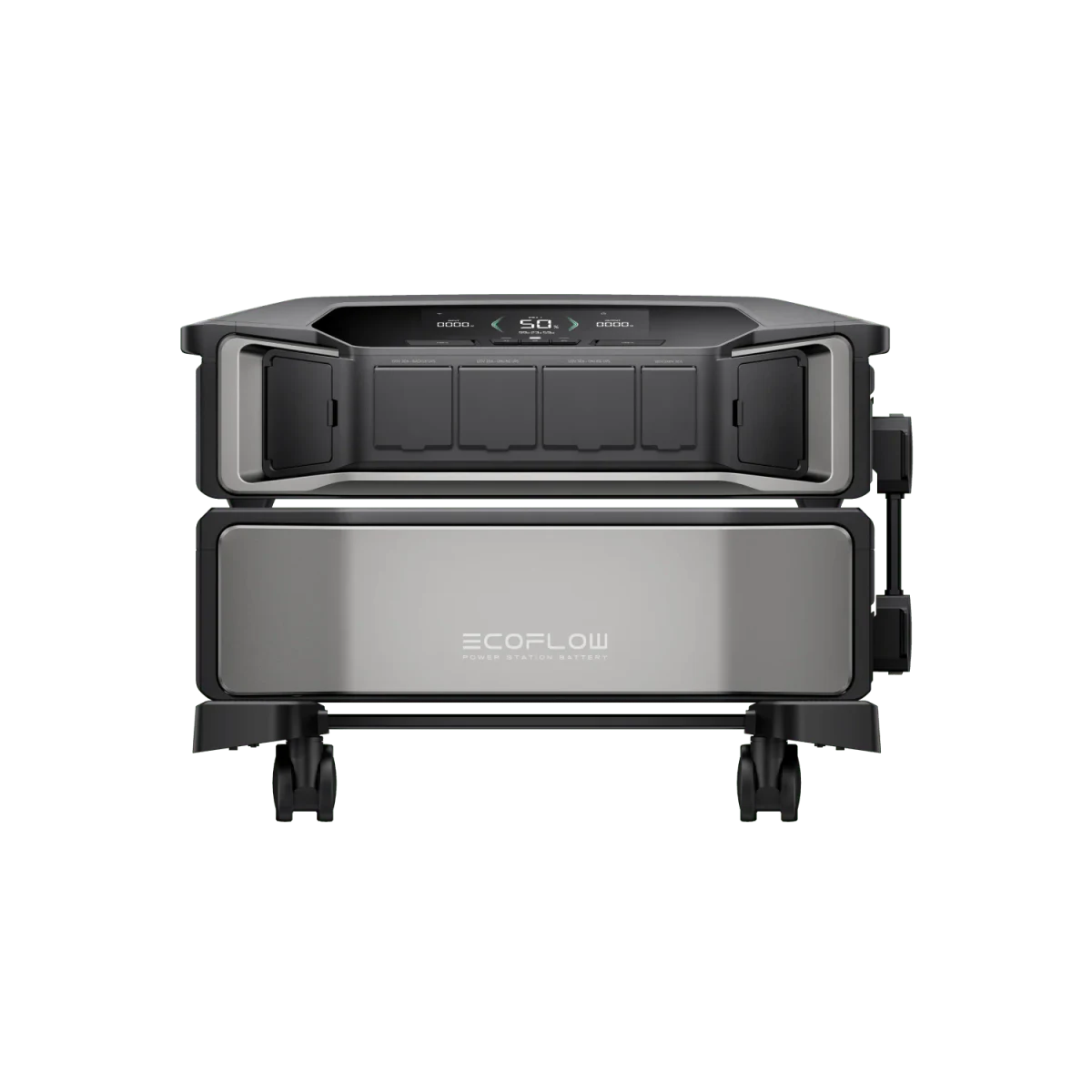
6,144 Wh, AC output 7,200 W, confidence Verified.
A numeric match is a shortlist, not confirmed compatibility. Fixed overhead may be unknown; verify exact ports, startup duration and charging behavior. Follow manufacturers for critical backup.
Model evidence and sources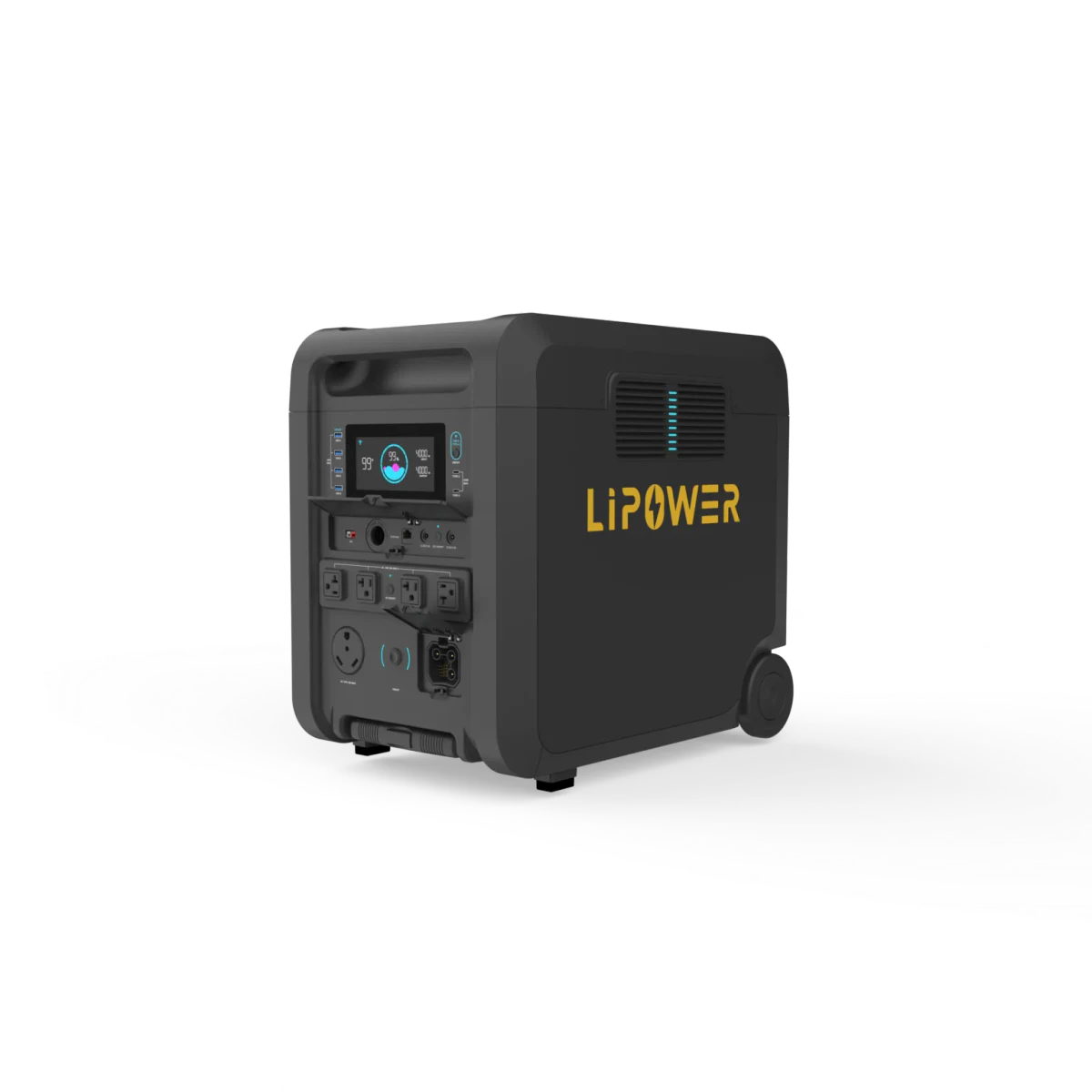
6,144 Wh, AC output 4,200 W, confidence Estimated.
A numeric match is a shortlist, not confirmed compatibility. Fixed overhead may be unknown; verify exact ports, startup duration and charging behavior. Follow manufacturers for critical backup.
Model evidence and sources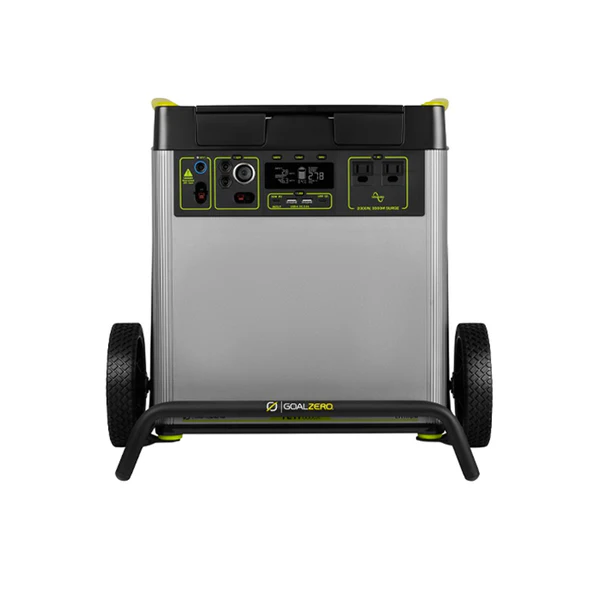
6,071 Wh, AC output 2,000 W, confidence Verified.
A numeric match is a shortlist, not confirmed compatibility. Fixed overhead may be unknown; verify exact ports, startup duration and charging behavior. Follow manufacturers for critical backup.
Model evidence and sourcesWattRunTime.com
Recommended station size
6,930 Wh+Includes 85% AC efficiency, 20% reserve, and a 15% planning buffer after solar offset.24 hours
Emergency and medical-adjacent loads need conservative planning. This tool is a planning estimate, not a safety guarantee. Check device labels, manuals, local guidance, and manufacturer backup instructions.
Share URL
Schedule up to three daily loads and two recharge windows for 1–7 days. Examples are user-adjustable assumptions, not forecasts. Equal start/end means all day; midnight-crossing windows are supported.
Blank overhead is unknown and excluded; a blank input limit is unverified. Concurrent recharge is excluded until checked. Numeric screening does not verify startup, ports or medical backup.
Output stays enabled throughout. Charging watts are input-side; efficiency includes average taper/derating. Excess energy at full charge is discarded. Solar is an entered window, not a weather forecast. Reserve is retained; demand beyond it is unmet.
Reserve first reached after18.88h
Unmet demand, battery equivalent:
Conservative · Estimated · Optimistic
Sensitivity scenarios, not a measured confidence interval: the endpoints change planning assumptions or apply the stated planning factors. They are not a guarantee or a probability of achieving this runtime.
| Elapsed time | Battery charge | Wh | Unmet demand, battery equivalent |
|---|---|---|---|
| 0 h | 100% | 1,000 Wh | 0 Wh |
| 6 h | 85.88% | 858.82 Wh | 0 Wh |
| 12 h | 71.76% | 717.65 Wh | 0 Wh |
| 18 h | 22.35% | 223.53 Wh | 0 Wh |
| 24 h | 10% | 100 Wh | 370.59 Wh |
| 30 h | 10% | 100 Wh | 511.76 Wh |
| 36 h | 10% | 100 Wh | 652.94 Wh |
| 42 h | 10% | 100 Wh | 1,147.06 Wh |
| 48 h | 10% | 100 Wh | 1,641.18 Wh |
| 54 h | 10% | 100 Wh | 1,782.35 Wh |
| 60 h | 10% | 100 Wh | 1,923.53 Wh |
| 66 h | 10% | 100 Wh | 2,417.65 Wh |
| 72 h | 10% | 100 Wh | 2,911.76 Wh |