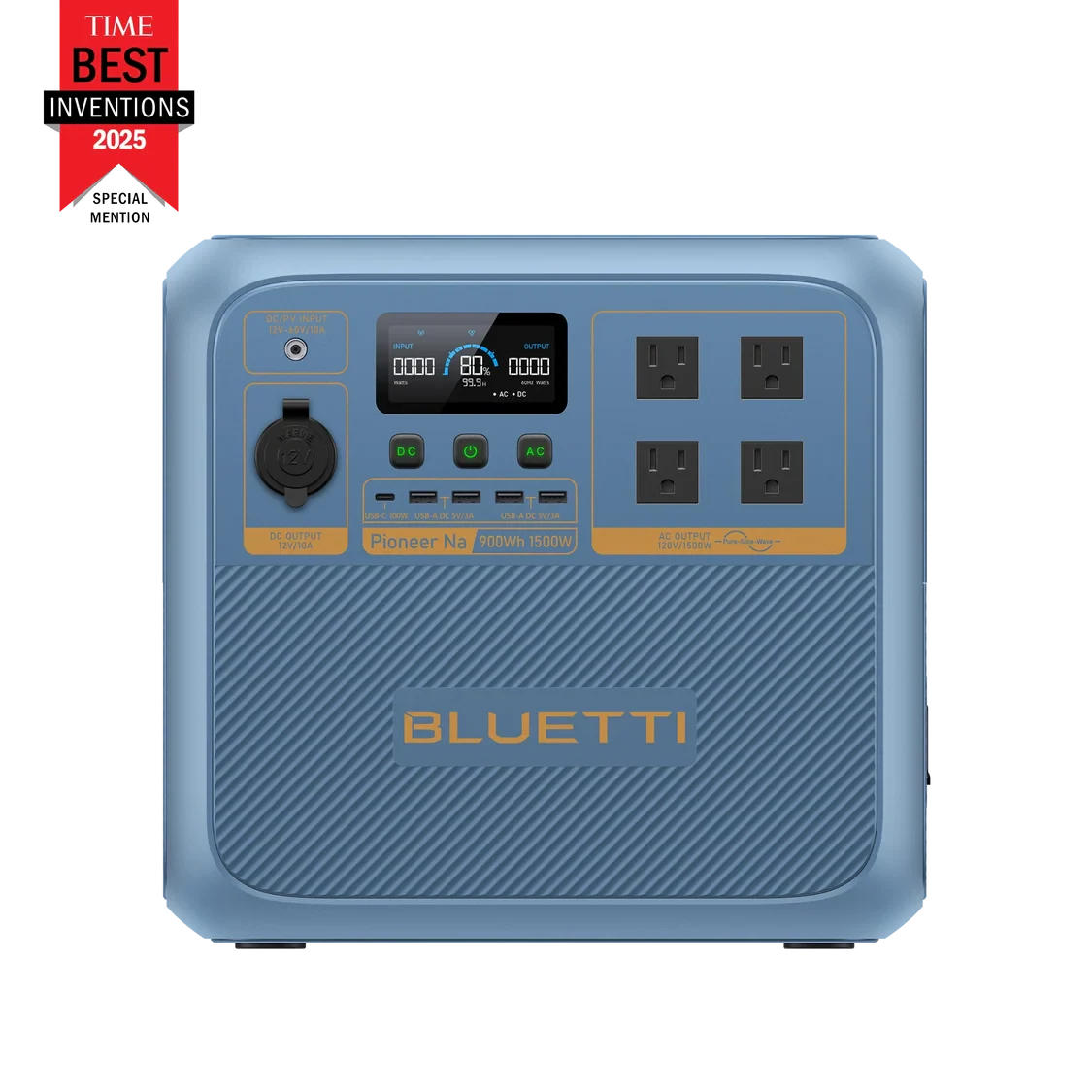
AC adapter from power station
Use the kit's approved AC power supply; check its input label against the station's regional AC voltage and frequency.
Starlink power draw varies by kit, temperature, snow melt, router, and AC or DC power path.
Server-rendered examples using this scenario's sourced planning default. Use the calculator for your exact station and settings.
| Nominal capacity | Estimated runtime | Planning range | Static example |
|---|---|---|---|
| 300 Wh | 2h 42m | 1h 41m – 3h 21m | Review scenario evidence |
| 500 Wh | 4h 30m | 2h 49m – 5h 35m | Review scenario evidence |
| 1,000 Wh | 9h 0m | 5h 38m – 11h 11m | Review scenario evidence |
| 2,000 Wh | 18h 0m | 11h 16m – 22h 21m | Review scenario evidence |
| 3,000 Wh | 1d 3h | 16h 54m – 1d 9h | Review scenario evidence |
These are calculated planning estimates, not measured runtimes. Actual results vary with load, battery condition, temperature, and output path.
The specification sheet gives 25–40 W average draw. The three examples below use 32 W, 1,000 Wh, 15% reserve, a new battery and no temperature loss. Delivery efficiency is a planning assumption; fixed overhead is unknown and excluded. These are estimates, not measured station results.
| Output path | Efficiency (%) | Usable energy | Estimated runtime |
|---|---|---|---|
| AC adapter from power station | 85% | 723 Wh | 22h 35m |
| DC barrel / direct DC | 93% | 791 Wh | 1d 0h |
| USB-C PD power bank | 92% | 782 Wh | 1d 0h |
Use the kit's approved AC power supply; check its input label against the station's regional AC voltage and frequency.
Mini's published input is 12–48 V, 60 W. Check regulated voltage, the exact barrel connector, polarity and cable voltage drop; headline DC watts alone do not verify them.
The official USB-C to barrel accessory requires a 100 W USB PD source with 20 V / 5 A. Check the supported PD profile and rated cable; a port marked 100 W alone is insufficient.
Start with a quick estimate, then switch to Advanced if you need multiple devices, startup surge, battery health, or cold-weather loss.
Something blocked the calculator from starting. Check your connection or reload the page to try again.
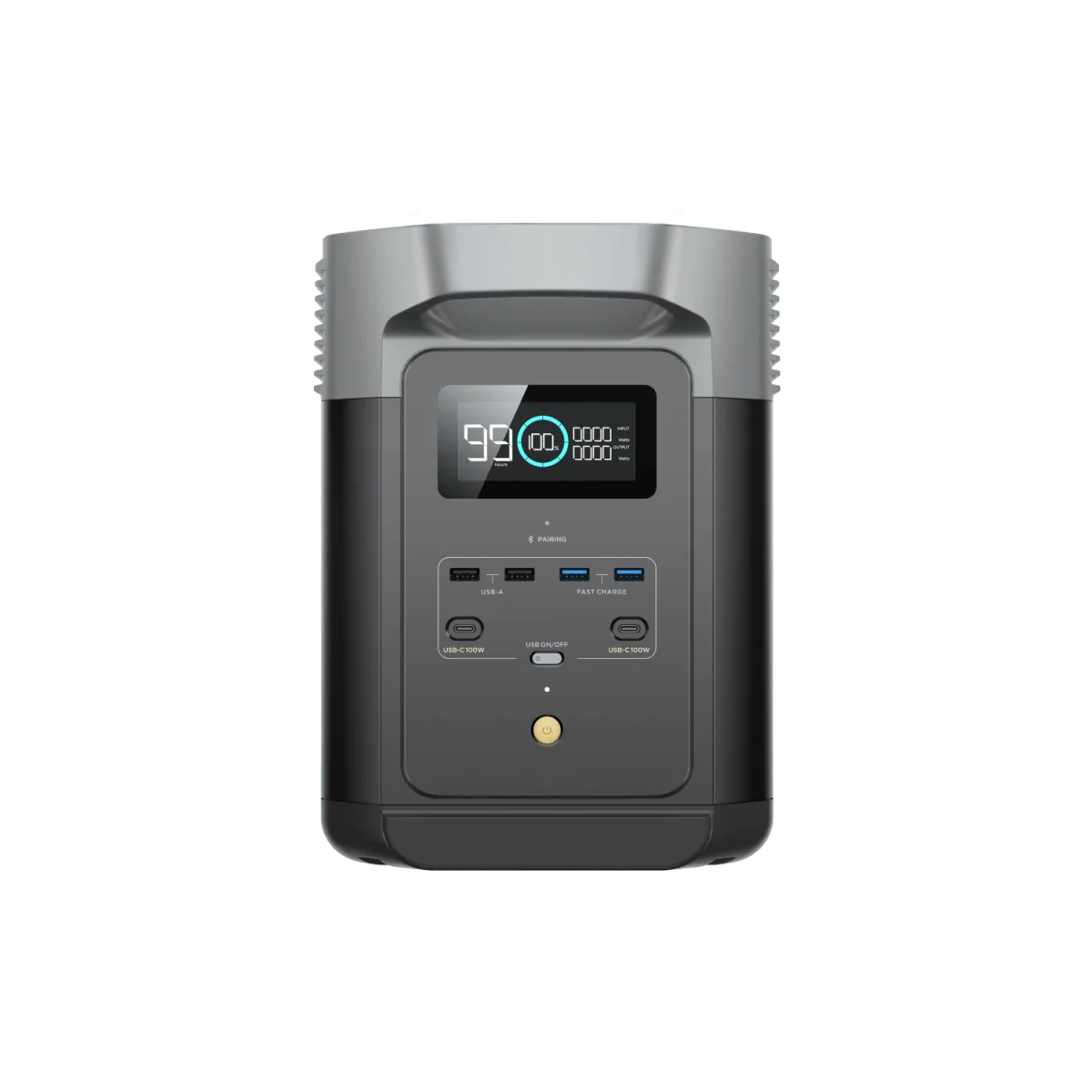
Snow melt, boot, heat, router behavior, and network activity can change draw. This profile is scoped to Standard 4 (Gen 3 hardware); V5 has a separate, lower official range.
Estimated runtime
Within the tracked power limits; compatibility still needs checking
This is an estimate. Real runtime changes with load, temperature, battery age, AC/DC output, and device behavior. Runtime is conditional on successful startup, compatible voltage/connectors and sufficient output. Verify the actual device setup before relying on these hours.
9h 13mEstimated runtime: 9h 13mThis setup may cover a partial outage or single overnight session. Add capacity for more margin.
These are calculated sensitivity cases, not a statistical confidence interval. Conservative uses lower efficiency and battery health, more reserve/temperature loss and higher load; optimistic changes these assumptions in the opposite direction.
Rated Wh is reduced by efficiency, reserve, battery health, and temperature before it is divided by average load.
This link contains the numeric values you entered, but not custom load names.
WattRunTime.com
Estimated runtime
9h 13mThis setup may cover a partial outage or single overnight session. Add capacity for more margin.Rated Wh is reduced by efficiency, reserve, battery health, and temperature before it is divided by average load.
Share URL
Estimate internet backup runtime.
A 1,024 Wh station with 10% reserve and 85% efficiency leaves about 783 Wh before load behavior. Using this page's 85 W default at 100% duty cycle, the planning load is about 85 W and the estimate is 9h 13m.
Review the Starlink Standard 4 (Gen 3 hardware) scenario page when you need the wattage range, duty cycle, confidence label, and source notes before calculating runtime.
Use these explainers when an assumption changes the runtime result.
Efficiency guide
Apply the guide to this use case's load and operating pattern.
Use the related tools when charging, sizing, surge, or power path changes the answer.
These answers keep the estimate grounded in assumptions instead of pretending runtime is exact.
Starlink Standard and Mini use different power ranges. Check the current specs for your kit, then account for boot draw, snow melt, temperature, router load, and AC or DC conversion losses.
Yes. Cold batteries can deliver less usable energy, and heaters, routers, and satellite dishes can also draw more power in harsh conditions.
Motors and compressors can need a short startup burst. A station must handle both continuous running wattage and short surge wattage.
Battery label capacity is nominal. Inverter losses, DC conversion losses, reserve settings, cold weather, battery age, and changing device loads all reduce real runtime.
Use usable watt-hours divided by average load watts. For AC loads, a practical first-pass formula is battery Wh x efficiency x reserve factor divided by device watts.